

DeFi Lending: The Recursive Tax Nobody Books

Yield Everywhere
Section titled “Yield Everywhere”Decentralized Finance (DeFi) has taken the world by storm, offering unprecedented opportunities to engage in collateralized lending and borrowing with rates far exceeding traditional markets.
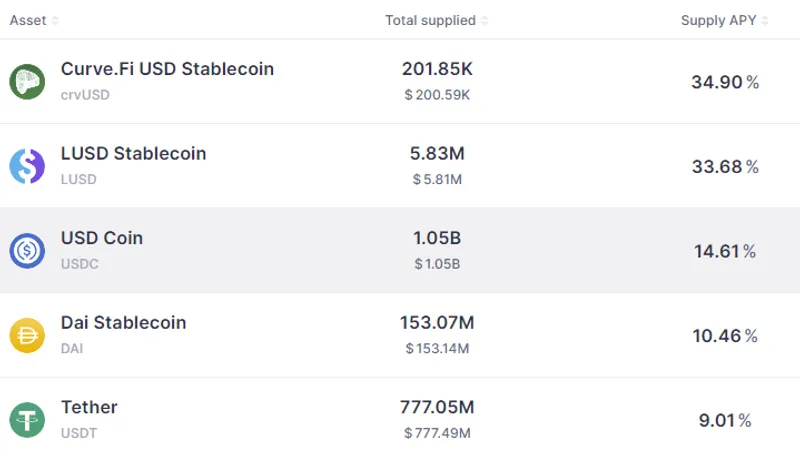
At the heart of this ecosystem lie protocols like Aave, which allow users to deposit their crypto assets and watch them grow, or borrow against them to finance their ventures. The tax implications of participating in DeFi lending, however, can be as complex as they are exciting.

Interest Income
Section titled “Interest Income”In traditional finance, the tax treatment of borrowing and lending is relatively straightforward. Interest income and expenses are just that. They do not magically transform into capital gains. But in the wild west of DeFi, unique protocol implementations can create a tangled web of tax consequences.

One particularly intriguing aspect of DeFi lending is recursive lending, which can be best described as “borrowing from yourself to lend to others.” This creates a loop of transactions that can leave seasoned tax professionals scratching their heads.
The complexity is further compounded by the various ways in which platforms account for interest. When depositing funds into some platforms, users receive a “receipt” token with a slightly different name. For example, depositing USDC into Aave results in aUSDC, while Compound issues cUSDC.
Some of these tokens are rebasing and automatically increase in quantity, while others maintain a fixed token balance that gradually increases in value. In either case, they represent the amount owed to the depositor, but they can imply dramatically different tax treatments when viewed purely from the perspective of token transfers. It is the same rebasing-versus-appreciating split that sits at the center of liquid staking taxes.
Income as Capital Gains
Section titled “Income as Capital Gains”Most tax software treats DeFi lending transactions as token trades, potentially triggering capital gains or losses where none may have actually occurred. This literal interpretation of smart contract activity can significantly overstate tax liabilities, particularly during periods of high market volatility.
But it can also do the opposite.
Protocols such as Compound don’t use rebasing tokens. Instead, each token simply becomes more valuable over time. This makes the position resemble a stock that appreciates gradually. So if you don’t sell it, are you not taxed?
That’s the problem.
Should tax liabilities change simply because DeFi protocols implement their internal accounting differently? We don’t think so.
Proper Accounting
Section titled “Proper Accounting”Fortunately, solutions like PennyWorks are helping financial professionals navigate the complex tax landscape of DeFi lending. By treating these activities as what they truly are, lending transactions, PennyWorks more closely reflects the economic intent of the activity and produces more defensible books and records.
To accomplish this:
- User deposits and withdrawals are recorded in the underlying asset being lent (such as USDC), rather than the receipt token (such as aUSDC).
- Interest income is recognized periodically, reflecting the continuously compounding nature of DeFi lending.
- Recursive lending is treated as increased leverage, inflating both sides of the balance sheet rather than creating artificial taxable trades.
This approach helps users avoid the pitfalls of literal token-by-token interpretations while giving them greater confidence in their capital gains and tax lots and the NAV that rests on them.
Conclusion
Section titled “Conclusion”As the DeFi ecosystem continues to evolve and mature, financial professionals who understand the tax implications of their activities will be best positioned to capitalize on the opportunities this new financial frontier presents.